


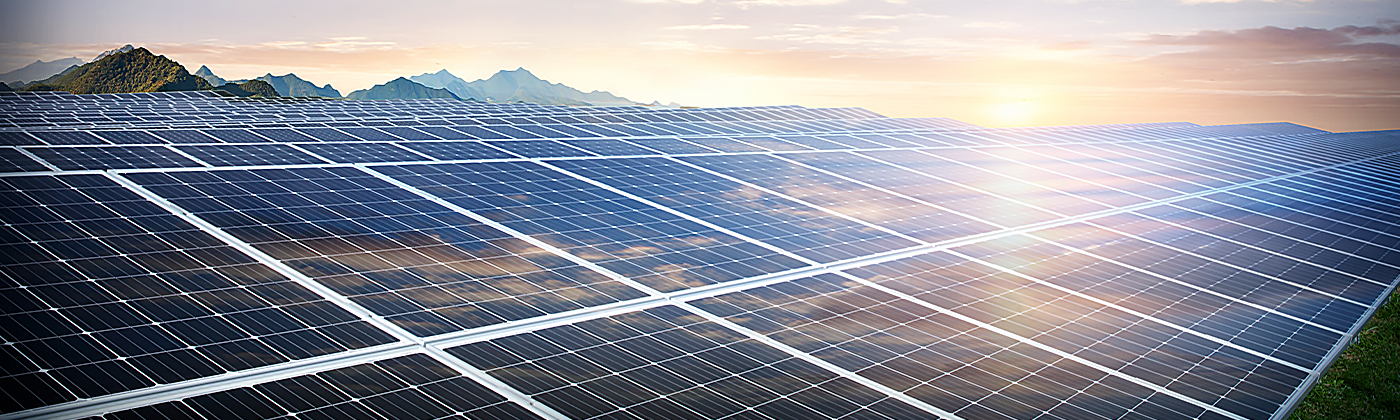
Building a Cleaner and More Sustainable Future through Renewable Energy
Off-grid solar systems are energy-independent solutions that generate, store, and supply
electricity through
solar modules and batteries without connecting to the power grid.
They provide a stable and reliable power supply even in areas with limited access to
electricity, such as islands,
remote mountain regions, military installations, and
agricultural facilities.
SOLAR GUIDE :
Off-grid Solar Systems
DAEL supplies standalone energy solutions to regions with limited electricity access.
Through
efficient power design, we deliver both performance and sustainability.
-
Feature 01
Four standard models of portable solar power systems: 1200W, 280W, 140W, and 16W (handheld)
-

Feature 02
Designed to power LED lights, smart devices, and fans using solar energy
-
Feature 03
Compact and portable for home use, outdoor camping, or emergency situations
-
Rechargeable anywhere under sunlight, supporting LED lighting and USB charging
-
Provides power for lighting and smart devices during blackouts or natural disasters
-
Delivers essential power to homes in energy-scarce regions such as Africa and Southeast Asia
-
Ideal for camping, construction sites, and bungalow lighting in recreation areas
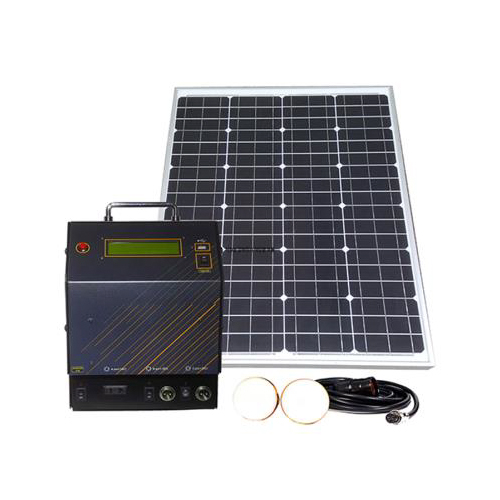
SG-1200
Solar Power Station SOLAR GUIDE 1200
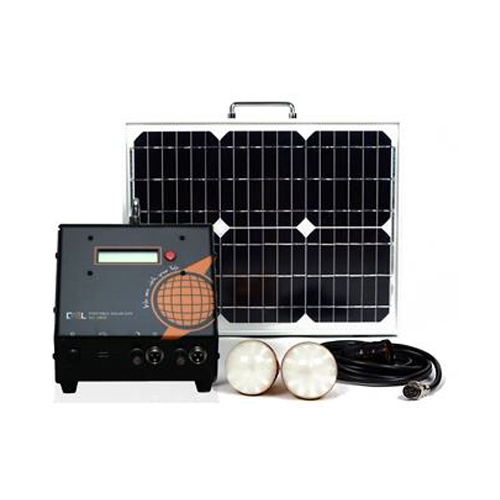
SG-280 Plus
Solar Power Station SOLAR GUIDE 280D Plus
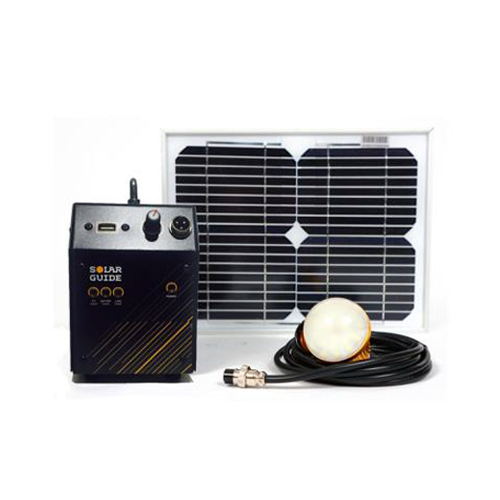
SG-140D Plus
Solar Power Station SOLAR GUIDE 140D Plus
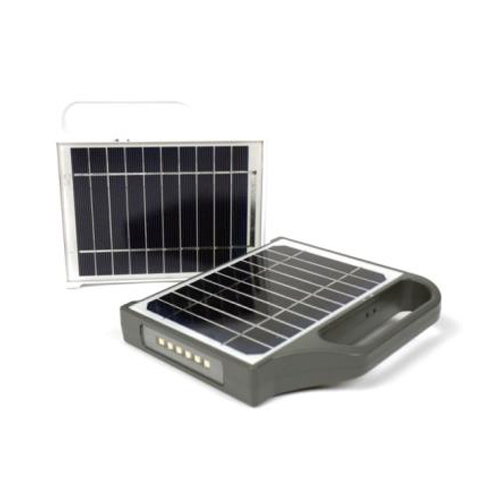
SG-16H
Solar Lantern SOLAR GUIDE 16H
Applications
- Off-grid solar systems are used in mountainous and island regions without access to commercial power, operating independently from power distribution networks.
- On a smaller scale, they are applied to streetlights, disaster prevention radio systems, and road information signs.
- Because they are not connected to the main grid, power consumption must remain below the system’s solar generation capacity.
- During consecutive rainy days when solar generation is unavailable, stored battery power supplies energy to the load, and battery capacity is determined based on the estimated number of sunless days.
- Batteries used in off-grid solar systems undergo daily charge and discharge cycles and are often mechanically combined and installed in hard-to-access areas, making maintenance challenging.
- The expected battery lifespan varies significantly depending on depth of discharge, number of cycles, and operating temperature.
An off-grid solar power system operates independently from the utility grid and uses batteries to store electricity for nighttime use. In civilian settings, these systems supply basic daily needs such as lighting, television, and radio, and are commonly installed in remote villages, farmlands, islands, plateaus, and desert regions.
Benefits of Off-grid Solar Systems
Renewable energy sources like solar power are vital in combating climate change and are recognized as reliable, cost-effective solutions for sustainable growth. In recent years, off-grid solar adoption has surged as communities, businesses, and households work to reduce carbon emissions, energy costs, and reliance on central power grids.
The primary advantage of an off-grid solar power system is energy self-sufficiency. Instead of relying on vulnerable power grids prone to outages, individuals and businesses can generate their own electricity through solar panels. Energy stored in batteries provides consistent access to power even at night or on cloudy days, ensuring stability without concerns over shortages or rising utility costs.
As installation costs continue to decline, off-grid solar systems have become an increasingly viable option worldwide. Although the initial investment may be high, the energy produced is free, and essential components such as inverters typically come with warranties of 25 years or more.
Off-grid solar systems are an ideal solution for remote areas where access to electricity is limited. They require minimal infrastructure for installation, making them suitable for off-grid communities and businesses. Reliable access to electricity improves quality of life, enables local economic growth, and supports social development.
Off-grid solar systems are clean, quiet, and free from noise pollution. They are ideal for hospitals, schools, and residential areas, providing a decentralized and silent alternative to noisy, polluting generators.
Diesel generators are commonly used as backup power sources but are environmentally harmful. Off-grid solar systems offer a clean, stable, and sustainable alternative with no harmful byproducts or carbon emissions.
Unlike conventional energy sources such as coal or gas, solar power generates electricity without greenhouse emissions or fossil fuels. With sunlight freely available, off-grid solar systems involve only a one-time installation and minimal maintenance costs. Solar energy is also scalable, powering everything from small communities to entire cities and nations.
FAQ
-
Where can off-grid solar systems be installed?
They can be installed anywhere with limited power infrastructure, such as rural areas, remote mountain regions, islands, military facilities, agricultural greenhouses, and construction sites. They are also suitable for campgrounds and temporary facilities. -
What are the basic components required for installation?
Four main components are essential: solar modules (power generation), batteries (energy storage), a charge controller (regulates battery charging and discharging), and an inverter (converts DC to AC power). Additional equipment may be added depending on the specific application. -
Can an off-grid solar system power an entire home?
Yes, but it requires adequate solar panel capacity and high-capacity batteries based on your household energy consumption. Most systems are designed to power essential appliances such as lighting, refrigerators, and communication devices. -
Can the system still provide power on cloudy or rainy days?
Yes. Power generation decreases under weak sunlight, but the system uses stored battery power to ensure a stable supply. If properly designed and maintained, it can operate reliably even in cloudy conditions. -
How is maintenance performed after installation?
Regular panel cleaning, battery inspections, and system checks are sufficient. DAEL also provides scheduled maintenance services to ensure stable operation.