


Empowering a Sustainable Lifestyle through Innovation
DAEL is committed to developing innovative technologies that make power generation accessible to everyone. Through sustainable, eco-friendly solutions, we aim to provide safe and clean energy for generations to come.
System Components
-
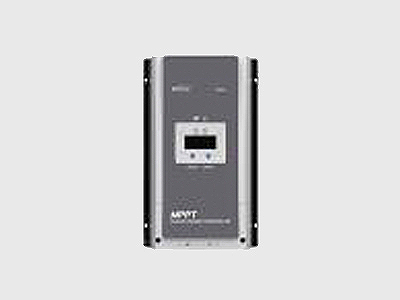
Charge Controller
PWM and MPPT EPSOLAR charge controller
-
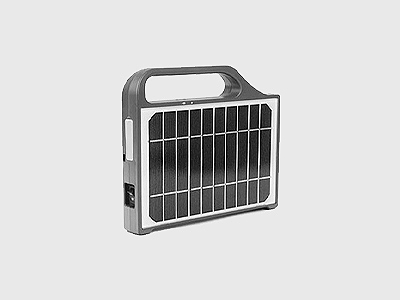
Foldable Solar Panel (Integrated Type)
Foldable panels with an integrated charge controller
-
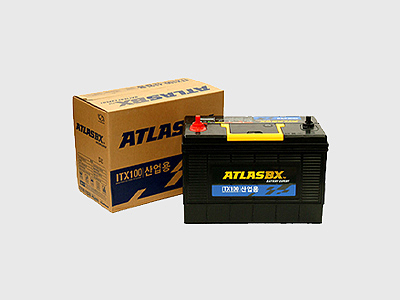
Battery
Maintenance-free, long-life ATLASBX MF and AGM batteries
-
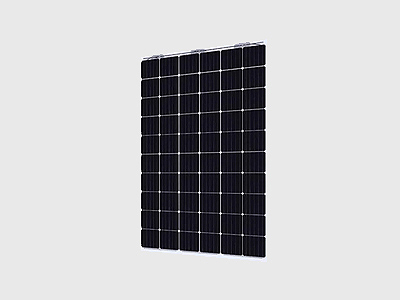
Solar Panel
High-efficiency, hard-type solar panels made with low-iron tempered glass
-
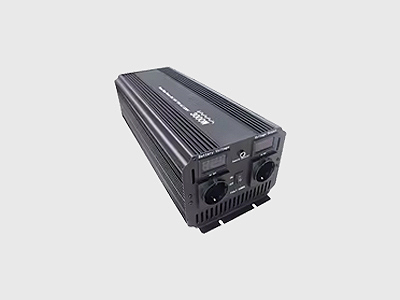
Inverter
Pure sine wave inverter that delivers the same power quality as grid electricity
-
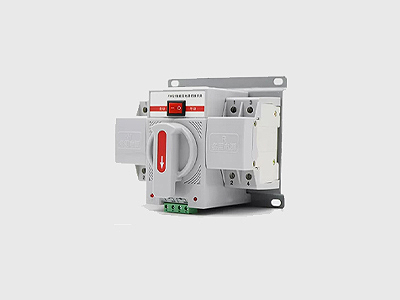
Accessories
Power transfer switches (APU/ATS), connectors, and DIY components
System Power Design at a Glance

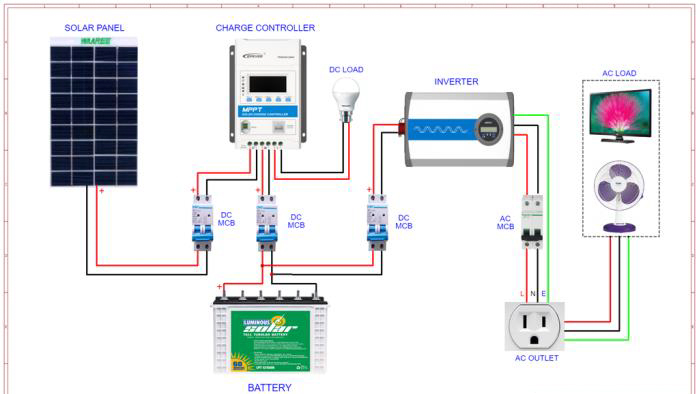
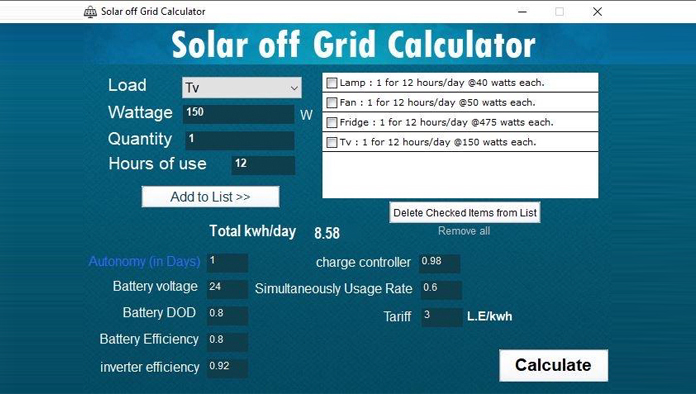
How a Solar Power System Works
-
-
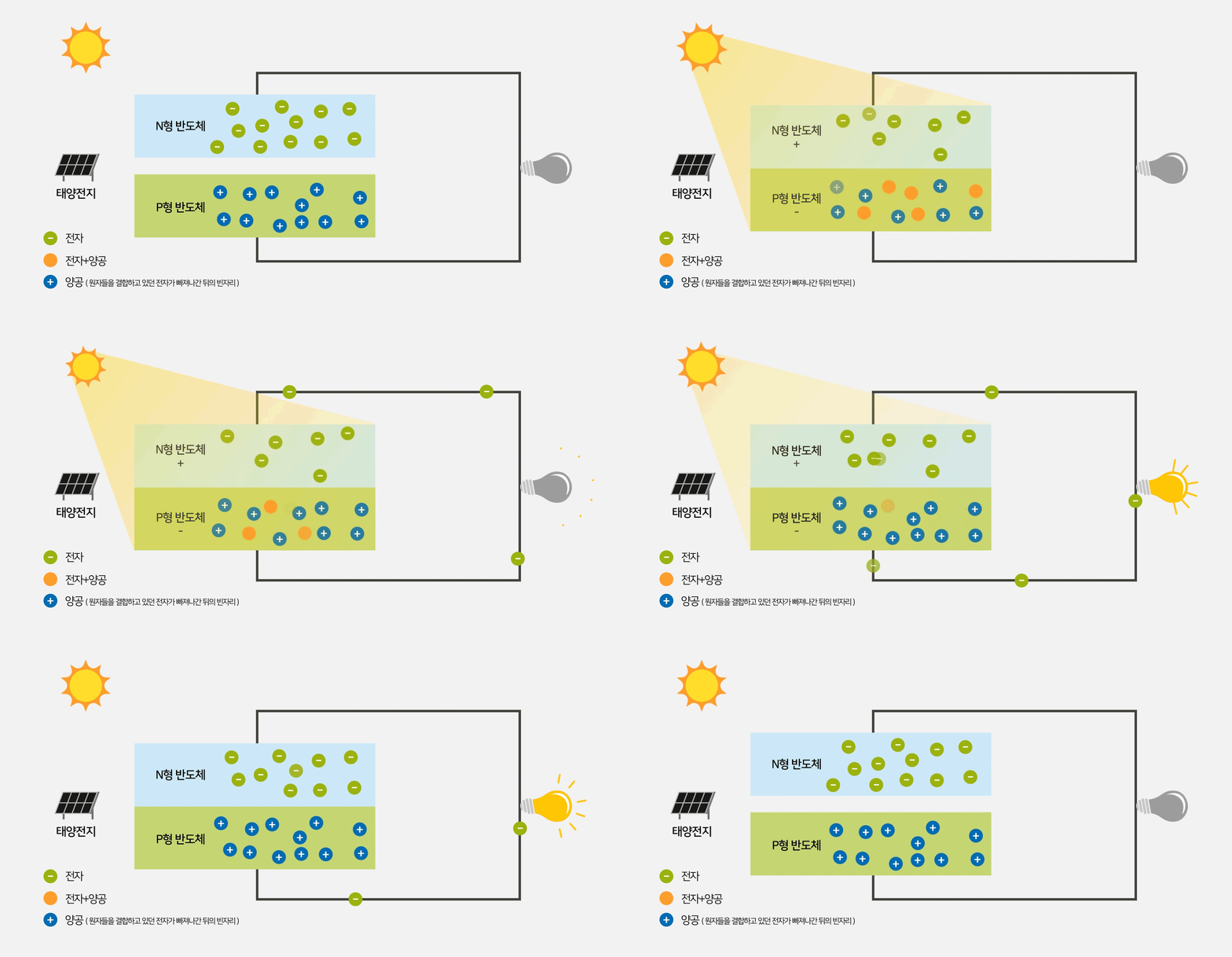
P-type and N-type Semiconductors
A solar cell is formed by combining a P-type semiconductor, which attracts electrons, and an N-type semiconductor, which repels them
-
Formation of Opposite Poles
When these two semiconductors meet, electrons from the N-type layer move toward the P-type layer. As a result, the P-type semiconductor gains a negative charge (-), while the N-type becomes positively charged (+)
-
Photoelectric Effect
When sunlight hits the solar cell, the photoelectric effect occurs. The electrons that had moved to the P-type layer absorb light energy, become excited, and return to the N-type layer
-
Electricity Generation
When a circuit is connected, these energized electrons flow from the N-type semiconductor to the P-type semiconductor, creating an electric current, or electricity
Key Features of Solar Energy
-
Flexible Installation Sites
A solar power plant converts sunlight into electricity, meaning it can be installed anywhere sunlight reaches. While other renewable energy sources often depend on specific environmental conditions, solar power requires only sunlight. However, the system’s capacity may vary depending on the installation space.
-
Long Lifespan and Easy Operation
Solar modules, the core components of solar power plants, typically last 20 to 30 years. With ongoing advancements in solar technology, this lifespan is expected to increase further. Solar systems automatically convert sunlight into electricity without labor, and their performance can be monitored in real time online, ensuring convenient and efficient operation.
-
Sustainable and Eco-friendly Energy
Solar energy generates electricity directly from sunlight, producing no pollution or carbon emissions. As long as the sun continues to shine on Earth, it remains a sustainable energy source for generations to come.
-
Safe Energy Source
Solar power is a clean and safe form of energy. Although some misconceptions suggest that solar systems emit harmful electromagnetic waves, they actually generate less radiation than common household appliances. They also operate quietly, creating minimal noise and environmental impact.
-
Cost-effective Power Generation
In countries such as India and the UK, where renewable energy adoption has advanced, solar power has already become cheaper than fossil fuels. With continued improvements in panel technology and falling material costs, it is expected to become one of the most affordable sources of energy in the near future.
-
A Profitable Investment
Electricity produced from solar power plants can be sold to utility companies, creating new revenue opportunities. Many individuals and businesses now view solar installations as a stable, long-term investment, selling electricity to KEPCO or large RPS-obligated suppliers.